
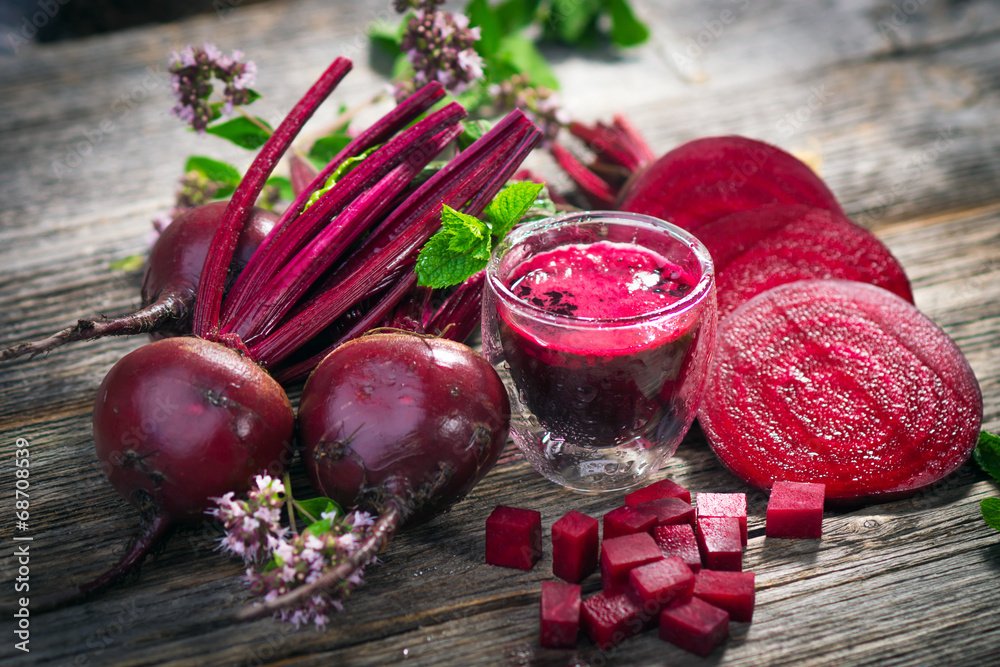
It looks like you’ve come full circle back to the beetroot (with a small typo)! Since we already covered the basics of this ruby-red root, let’s dig into some of the more “scientific” and “pro-chef” details that make it so fascinating.
1. The “Pre-Workout” Secret
Athletes often swear by beetroot juice. Why?
-
Nitrates: Beetroot is packed with naturally occurring nitrates.
-
The Process: Your body converts these into Nitric Oxide, which relaxes and widens your blood vessels.
-
The Result: This improves oxygen flow to your muscles, potentially increasing stamina and performance during exercise.
2. The Color Science (Betalains)
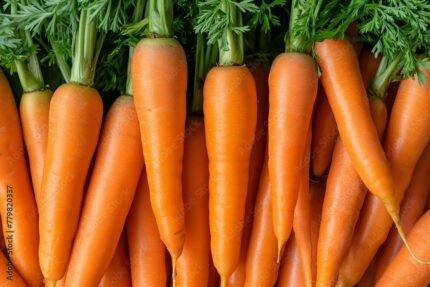
The pigment in beets is called betalain. Unlike the pigments in many other vegetables (like carrots), betalain is very sensitive to heat and pH levels.
-
Pro Tip: To keep beets a vibrant, shocking pink/red when cooking, keep them whole with the skin on and add a splash of acid (lemon juice or vinegar) to the water. This “locks in” the color.
3. Edible Leaves (Beet Greens)
Don’t throw away the tops!
-
They are nutritionally similar to kale and spinach but have a much milder, sweeter flavor.
-
You can sauté them with garlic and olive oil for a perfect side dish.
-
Fun Fact: Beetroot and Swiss Chard are actually the same species—one was just bred for its root, the other for its leaves!
4. Handling the “Mess”
If you get beet juice on your hands or cutting board:
-
For hands: Rub them with a cut lemon or a bit of salt.
-
For boards: Use a plastic board if possible (wood stains easily) and wash immediately with cold water.
A Quick Recap Table
One final note: If you eat a lot of beets, don’t be alarmed if things look a little “pink” the next day in the bathroom! It’s a harmless condition called beeturia.
Would you like me to generate a vibrant image of a roasted beetroot salad with goat cheese and walnuts, or perhaps you’d like a smoothie recipe that uses beets?

Reviews
There are no reviews yet.