
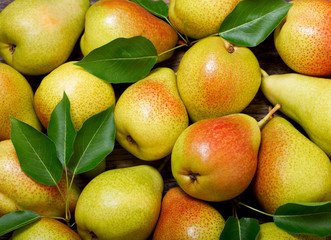
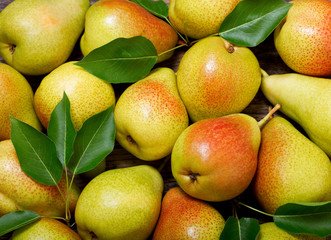
We’ve rounded out our list with the elegant pear. In February 2026, the pear is at a fascinating crossroads—while we are eating “winter pears” from storage in the Northern Hemisphere, the Southern Hemisphere has just begun its fresh 2026 harvest.
Here is the “core” update on pears as of February 12, 2026:
📉 2026 Global Market & Harvest News
-
Southern Hemisphere Launch: As of yesterday (February 11, 2026), South Africa and New Zealand have officially begun their 2026 harvests. Reports from New Zealand show “exceptional” fruit quality and high pack-out rates due to a warm, sunny spring.
-
Supply Shift: In the US and Europe, traditional varieties like Bartlett and Anjou are facing competition from a massive surge in Asian Pears. The Asian pear segment is projected to grow significantly this year as consumers look for that specific apple-like crunch.
-
Price & Trade: New US tariff adjustments in early 2026 are currently shifting how pears are sourced globally, leading to some price fluctuations in North American supermarkets this month.
🍐 Best Varieties to Eat in February
Because pears are “winter fruits” that store well, February is actually peak season for some of the best-tasting varieties:
-
Concorde: A “designer” pear (cross between Conference and Comice). It’s unique because it’s sweet and crunchy even when firm, but gets buttery as it ripens.
-
Bosc: The “artist’s pear” with the cinnamon-colored skin. This is the best choice for baking or poaching this month because it holds its elegant shape under heat.
-
Red Anjou: These are currently in their prime window from storage. They are juicy with a subtle hint of spice.
-
Seckel (Sugar Pears): We are in the final weeks of availability for these tiny, bite-sized pears. They are the sweetest variety in existence.
🥗 2026 Health & Nutrition Science
Pears are trending in 2026 wellness circles as the “Gut Health Hero”:
-
The “Fiber King”: A medium pear has 6g of fiber, more than almost any other common fruit.
-
Pectin & Probiotics: New 2025/2026 studies show that the pectin in pears specifically feeds “good” gut bacteria, significantly improving microbiome diversity in just two weeks of daily consumption.
-
Anti-Inflammatory: Red-skinned pears are rich in anthocyanins, which 2026 research links to a 23% lower risk of Type 2 diabetes when eaten regularly.
💡 The “Check the Neck” Rule
Pears are one of the only fruits that do not ripen on the tree; they ripen from the inside out after being picked. To see if a pear is ready today:
-
Don’t squeeze the middle: You’ll just bruise the fruit.
-
Press the stem end: Apply gentle pressure to the “neck” near the stem. If it gives slightly, it’s sweet, juicy, and ready to eat. If it’s hard, leave it on the counter for 2–3 days.
🍽️ Perfect February Pairing
The 2026 “Charcuterie” Trend: Sliced Bosc pears paired with Gorgonzola cheese and candied walnuts. The grittiness of the pear (caused by “stone cells”) provides a perfect structural contrast to creamy cheeses.
Would you like me to find a “Slow Cooker Poached Pear” recipe for a cozy February dessert, or are you interested in how to grow a “20th Century” Asian Pear tree in your backyard?
Reviews
There are no reviews yet.