
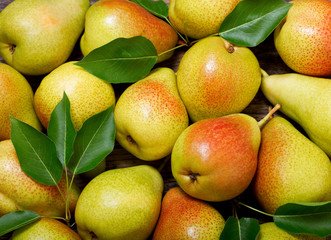
We’ve reached the elegant pear, often referred to as the “aristocrat” of the orchard. In February 2026, the pear is at a fascinating crossroads: while the Northern Hemisphere is enjoying “winter pears” from storage, the Southern Hemisphere has just begun its fresh 2026 harvest.
Here is the “core” update on pears as of February 12, 2026:
📉 2026 Global Market & Harvest News
-
Southern Hemisphere Launch: As of yesterday, February 11, 2026, major exporters like South Africa and New Zealand have officially kicked off their 2026 harvest. Initial reports suggest “exceptional” fruit quality due to a warm, sunny spring in the Pacific.
-
Specialty Rebound: After a few lean years, 2026 is seeing a “pear rebound.” Supply for specialty varieties like Forelle and Comice has nearly doubled year-over-year, making them much easier (and cheaper) to find this month.
-
The Asian Pear Surge: There is a massive global trend toward Asian Pears (like Nijisseiki). Consumers are increasingly choosing them for their apple-like crunch and long shelf life, leading to a 30% increase in market share this year.
🍐 Best Varieties to Eat in February
Because pears are unique in that they ripen after harvest, February is actually peak season for some of the best-tasting “winter” varieties:
-
Concorde: A “designer” pear (cross between Conference and Comice). It’s unique because it stays sweet and crunchy even when firm, but develops a vanilla-like flavor as it softens.
-
Bosc: The “artist’s pear” with the bronze, cinnamon-colored skin. This is the best choice for baking or poaching this month because its dense flesh holds its shape perfectly under heat.
-
Comice: Often called the “Christmas Pear,” these remain available through February. They are the most delicate, buttery, and “melting” of all varieties—perfect for pairing with a sharp blue cheese.
-
Passe Crassane: A late-winter star from France and Italy. It’s slightly grainy but incredibly aromatic and sweet-tart, appearing in markets only between late winter and spring.
🥗 2026 Health & Nutrition Science
New clinical reviews published in early 2026 have solidified the pear’s status as a “Gut Health Hero”:
-
The Fiber King: A single medium pear provides 6g of fiber, more than almost any other common fruit.
-
Pectin & Microbiome: Pears are exceptionally high in pectin, a prebiotic fiber. 2026 research indicates that daily pear consumption can significantly improve gut bacteria diversity in as little as two weeks.
-
Low Glycemic Index: Despite their sweetness, pears have a low GI. Their high fiber content slows down the absorption of fructose, making them one of the best fruits for blood sugar management.
💡 The “Check the Neck” Rule
Pears ripen from the inside out. To see if a pear is ready to eat today:
-
Don’t squeeze the middle: You’ll just bruise the fruit.
-
Press the neck: Apply gentle pressure with your thumb to the narrow “neck” near the stem. If it gives slightly, the pear is sweet, juicy, and ready. If it’s hard, leave it on the counter for 2–3 days.
🍽️ Perfect February Pairing
The 2026 “Winter Board”: Sliced Red Anjou pears paired with aged Gouda and a drizzle of truffle honey. The subtle spice of the red pear cuts through the richness of the cheese perfectly.
Would you like me to find a “Slow Cooker Poached Pear” recipe for a cozy February dessert, or are you interested in how to grow a “20th Century” Asian Pear tree in your own garden?
Reviews
There are no reviews yet.