
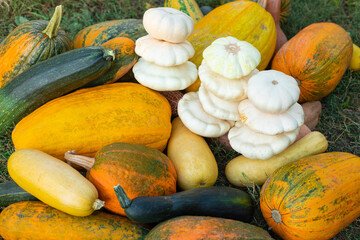
Since we’ve touched on the “battle” vs. “bottle” confusion, let’s look at why the bottle gourd is a staple in wellness and traditional medicine, particularly in India and East Asia.
1. The Ultimate “Hydration” Veggie
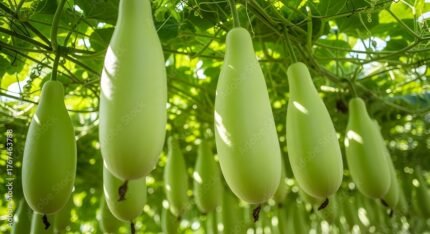
Bottle gourd is essentially a solid form of water. Because it consists of roughly 96% water, it is the perfect food for hot climates. It helps in:
-
Cooling the body: It has a natural thermal-regulating effect.
-
Liver Health: It is often recommended by nutritionists to help detoxify the liver and kidneys.
-
Weight Loss: Because it’s so high in water and fiber but extremely low in calories, it fills you up without adding fat.
2. Selection & Preparation Secrets
To get the best out of a bottle gourd, follow these tips:
-
The Scratch Test: When buying, try to slightly pierce the skin with your fingernail. If it’s easy to pierce, the gourd is young and tender. If the skin is tough, it’s old, fibrous, and will have large, hard seeds.
-
Don’t Over-peel: Use a peeler to remove only the very thin outer green layer. Most of the nutrients are just beneath the skin.
-
The Squeeze: If you are making koftas (fried dumplings) or parathas, grate the gourd and then squeeze out the excess water using a muslin cloth. Save that water! It’s packed with nutrients and can be added to soups or dal.
3. Iconic Dishes
⚠️ The “Bitterness” Warning (Vital)
I’ve mentioned this before, but it’s worth repeating for safety:
Never drink bottle gourd juice without tasting a tiny bit of the raw vegetable first. If it tastes bitter, discard the whole vegetable immediately. Bitter bottle gourd contains Tetracyclic Triterpenoid Cucurbitacins, which can cause severe food poisoning or worse. Safe bottle gourd should always taste mild or slightly sweet.
Would you like me to find a refreshing Lauki juice recipe (the non-bitter kind!), or would you like to explore a different vegetable like Cauliflower or Okra?
Reviews
There are no reviews yet.