
Since we’ve already covered the varieties and basic nutrition of the brinjal (eggplant/aubergine), let’s look at the “chef’s secrets” that turn this vegetable from a soggy mess into a culinary masterpiece.
Because of its unique cellular structure—which is essentially a network of tiny air pockets—the brinjal behaves differently than almost any other vegetable.
1. The “Sponge” Science
The inside of a brinjal is like a sponge. If you toss raw slices into a pan of oil, they will instantly soak up every drop, making the dish heavy and greasy.
-
The Salting Hack: Sprinkling salt on sliced brinjal (called “purging”) draws out the water from those air pockets. This collapses the sponge structure so it won’t absorb as much oil and seasons the vegetable all the way through.
-
The Microwave Shortcut: If you’re in a hurry, microwaving slices for 2 minutes before frying partially collapses the cells, achieving a similar “low-oil” result.
2. Iconic Regional Styles
Brinjal is perhaps the most “global” vegetable. Here is how it’s celebrated in different cultures:
-
India (Baingan Bharta): The brinjal is roasted directly over a gas flame until the skin is charred and flaky. The smoky, mashed flesh is then cooked with peas, tomatoes, and spices.
-
Middle East (Baba Ganoush): Similar to the Indian version, but the smoky flesh is blended with tahini (sesame paste), lemon juice, and olive oil for a creamy dip.
-
Italy (Eggplant Parmigiana): Sliced, fried, and layered with tomato sauce, mozzarella, and parmesan cheese, then baked like a lasagna.
-
China (Braised Eggplant): Usually long, slender purple brinjals are deep-fried quickly and then braised in a savory, sweet, and spicy garlic sauce.
3. Selection: How to Pick the Best Brinjal
A bad brinjal can be very seedy and bitter. Here is how to pick a winner at the market:
-
The Weight: It should feel heavy for its size.
-
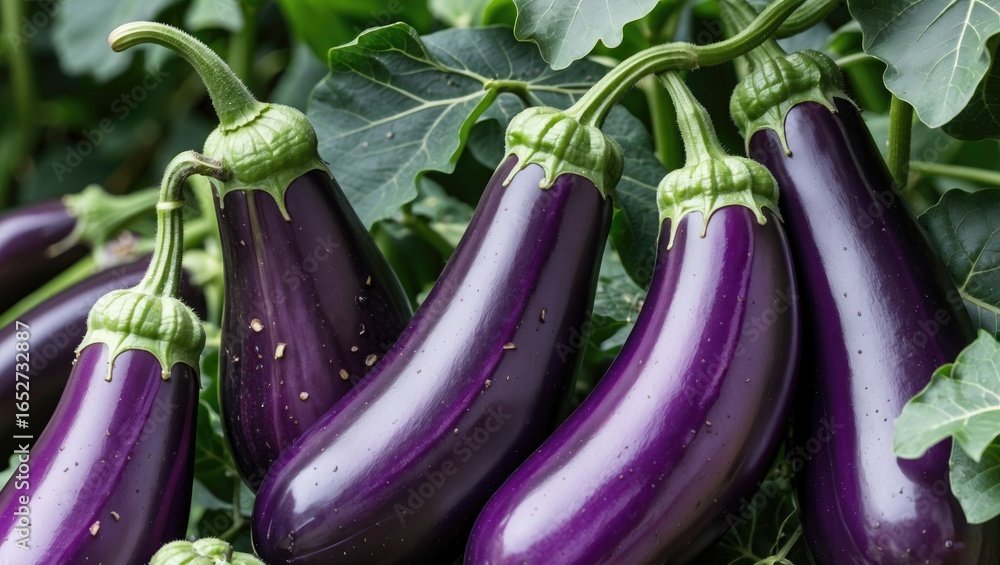
The Skin: It must be shiny and smooth. If the skin looks dull or wrinkled, it’s old and will be tough and bitter.
-
The “Bounce” Test: Press the side with your thumb. If it leaves an indentation that bounces back, it’s perfectly ripe. If it stays indented, it’s overripe.
-
The Stem: Look for a bright green, “fresh-looking” stem (the crown).
4. Nutrition: Skin vs. Flesh
Kitchen Tip: To prevent the flesh from turning brown after cutting (oxidation), keep the slices submerged in a bowl of water with a pinch of salt until you are ready to cook.
Would you like me to find you a recipe for an authentic smoky Baingan Bharta, or perhaps you’d like to see an image comparing the five most common types of brinjal (Japanese, Italian, Globe, Indian, and Thai)?

Reviews
There are no reviews yet.