
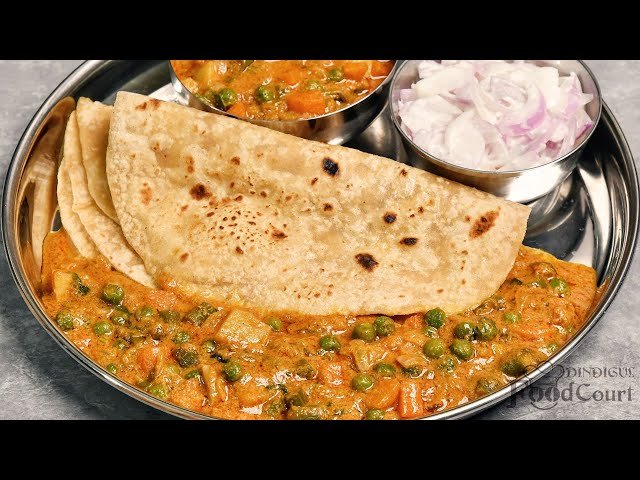

Ah, the chapati. The unsung hero of the dinner table—simple, reliable, and the perfect edible shovel for literally anything delicious.
Are you looking for a foolproof recipe, troubleshooting why yours turned out like a frisbee, or just appreciating the craft? Here is a quick breakdown of what makes a perfect one:
The Secret Sauce (Metaphorically)
Making a great chapati is 20% ingredients and 80% technique.
| Feature | The Goal | The Trick |
| Softness | Pillowy and pliable | Use warm water and let the dough rest for at least 20 minutes. |
| The Puff | The “Phulka” balloon effect | High heat and a quick flip; the steam inside cooks it from within. |
| Flavor | Nutty and fresh | Use finely milled whole wheat flour (Atta) and a touch of oil or ghee. |
Pro-Tips for Success
-
The Dough: It should feel like a soft earlobe. If it’s too sticky, add flour; if it’s cracking, add a splash of water.
-
The Roll: Aim for even thickness. If one side is thicker than the other, it won’t puff up.
-
The Heat: Your pan (tawa) needs to be hot. If it’s too cool, the chapati dries out and becomes chewy; if it’s too hot, it burns before it cooks.
Note: If you’re struggling with them getting hard after cooking, stack them in a container lined with a cloth towel and keep them covered!







Reviews
There are no reviews yet.