
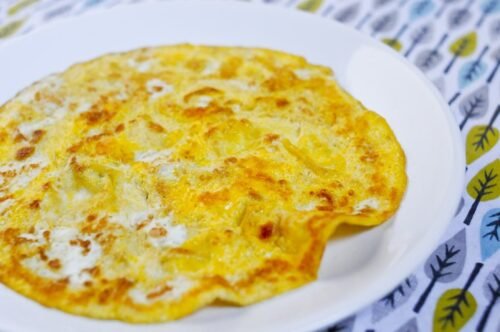


After the richness of Mutton Paya and the complexity of Kuska, the Single Egg Omelet is the humble, reliable hero of the culinary world. It’s the ultimate “quick fix”—whether it’s a side dish for your Biryani or a protein boost for your breakfast.
Since you’re working with just one egg, the margin for error is slim but the potential for perfection is high.
The Anatomy of a Perfect Single Egg Omelet
Because a single egg is thin, it cooks in seconds. Here’s how to make it feel like a “meal” rather than just a snack:
-
The Fluff Factor: Whisk the egg with a teaspoon of milk or water. The steam created by the liquid during cooking makes the omelet loftier and softer.
-
The Pan: Use a small non-stick skillet (6 or 8 inches). If the pan is too large, the egg spreads too thin and becomes a “crepe” that dries out instantly.
-
The Fat: Butter gives it a French, velvety finish; oil (especially coconut or peanut oil) gives it those crispy, “lacey” edges typical of an Indian street-style omelet.
Three Ways to Style Your Single Egg
Pro-Tips for the “Single” Egg
-
Don’t Over-Whisk: You want to combine the white and yolk thoroughly, but if you whip too much air into it, the omelet will puff up and then deflate into a rubbery disc.
-
The “Slow Fold”: Since it’s thin, don’t wait for the top to be completely dry before folding. Fold it when the top still looks slightly “wet”—the residual heat will finish the cooking inside without browning the outside too much.
-
The Seasoning: Always salt right before it hits the pan. Salting too early can break down the egg proteins and make the omelet watery.


Reviews
There are no reviews yet.